Amber's Blog
Expert Ideas, Tools & Musings

How Your Business Podcast Can Make You Money (**Most Don’t)
Amber Daines | 20 August, 2025The short answer is most podcasts fade away faster than the airtime they had, and most don’t generate a direct income unless you are a big-name host with massive sponsorships.
However, a well-executed and leveraged business podcast can be an investment that reaches your ideal audience and creates a degree of kudos that lasts far longer than a one-off ad campaign. We work with our clients to ensure that we align a podcast idea with an end goal before we start, and the key is knowing how to manage your expectations every step of the way.
A podcast can be one of the most innovative marketing tools in your arsenal. It builds authority, nurtures relationships, and gives your brand a voice that cuts through the digital clutter. But let’s be honest: creating a podcast takes real time, money, and energy. To make it worth the investment, you need more than just a microphone and a few good ideas. You need a strategy and a realistic budget.
Worth noting, there are approximately 4.5 million podcasts (4 million active) worldwide as of 2025, according to various industry sources (like Podcast Statistics 2025). Based on data from Rephonic (Sept 2023), the business category accounted for 277,180 podcasts, or about 9.68% of all podcasts tracked.
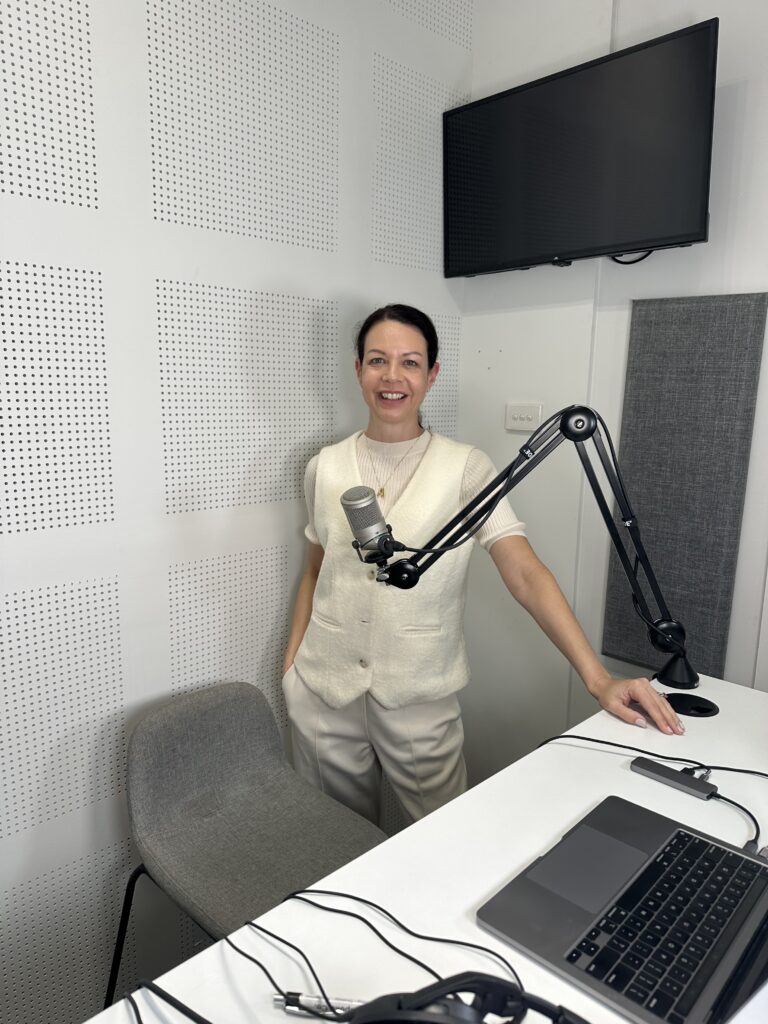
There is always room for a new podcast that has an edge. My show Life after the Whistle may seem unconventional to those who don’t know me well, but I have two children who play elite sport, and I also love sports documentaries, so it makes sense to me. It has also led me to some great new clients in the sports space who know I know their core business. Winner.
Here’s how to ensure your business podcast delivers real value to your brand.
1. Anchor to Business Goals
Don’t launch a podcast just because “everyone else is doing it.” Tie it directly to business objectives:
- Do you want to generate leads?
- Strengthen client loyalty?
- Position executives as thought leaders?
- Build credibility in a niche market?
When your podcast is aligned to measurable goals, it becomes a growth tool—not just a side project.
💰 Budget note: Factor in at least $5,000–$15,000 per year for professional production if you’re serious about making your podcast a long-term asset, rather than an experiment.
2. Prioritise Professional Quality
In the business world, your podcast represents your brand. Poor audio, clunky editing, or inconsistent episodes signal a lack of professionalism. Invest in:
- Equipment: A solid microphone ($150–$500) and headphones ($100–$300).
- Recording environment: Either a quiet in-house setup or hire a studio ($80–$150 per hour).
- Editing: Outsourced editing services ($100–$250 per episode) or an in-house producer.
- Branding: A professional intro/outro and theme music ($500–$1,000).
High production values send the message that your business takes itself and its audience seriously.
3. Develop Content That Serves Your Audience
Your audience doesn’t want a sales pitch; they want insights, stories, and solutions. Structure your episodes around their needs:
- Interview industry leaders or clients to showcase expertise.
- Share behind-the-scenes lessons from your business.
- Offer practical advice that listeners can apply right away.
💰 Budget note: Set aside staff time or consultancy fees ($500–$1,000 per episode) for research, scripting, and guest preparation. The hidden cost is the hours your leadership team may spend planning and recording, so account for that in your resourcing.
4. Integrate Promotion into Your Marketing Ecosystem
Don’t treat your podcast as a standalone. It should be woven into your wider marketing strategy:
- Share episodes across LinkedIn, email newsletters, and internal channels.
- Repurpose content into blogs, infographics, or short video snippets ($100–$400 per episode if outsourced).
- Encourage guests and employees to share episodes with their networks.
💰 Budget note: Promotion often doubles your production costs. Allow at least $500–$1,500 per month for graphic design, paid promotion, and repurposed content.
5. Track ROI, Not Just Downloads
Success is more than vanity metrics. Instead of focusing only on download numbers, measure:
- New client leads attributed to the podcast.
- Speaking invitations or media opportunities for your team.
- Increased traffic to your website or landing pages.
- Enhanced employee engagement if used internally.
💰 Budget note: Use analytics platforms (some are free, while premium tools range $20–$100 per month) to track ROI and link podcasting back to business results.
A brandcast done well is more than content—it’s a strategic communications channel. Expect to invest $10,000–$30,000 annually for a professionally run business podcast. When you align it with your business goals, invest in quality, and amplify it through your marketing, your podcast becomes a powerful asset that builds authority and drives results.
TLDR -> Sample Budget: Business Podcast vs Traditional Advertising
| Expense Category | Business Podcast (Brandcast) | Traditional Advertising (Print/Radio/TV/Digital) |
| Setup Costs (one-off) | Microphone & equipment: $500–$1,000 Branding/intro music: $500–$1,000 | Creative production for a single TV/radio ad: $10,000–$50,000+ |
| Ongoing Production | Media distribution fees are often bundled with ad spend | Media buying (print page, radio slot, TV airtime, or digital ads): $5,000–$50,000 per campaign |
| Hosting & Distribution | Podcast hosting platforms: $20–$100/month | Media distribution fees often bundled with ad spend |
| Promotion & Marketing | Social snippets, design, paid promotion: $500–$1,500/month | Additional design/agency fees: $2,000–$10,000 per campaign |
| Analytics & Reporting | $20–$100/month for detailed metrics | Usually included in agency reporting, but less granular |
| Annual Investment (est.) | $10,000–$30,000 for 12–24 episodes | $50,000–$200,000+ depending on reach and frequency |
| Longevity of Content | Evergreen — episodes live online indefinitely, can be repurposed | Short shelf life — ad runs only while you pay for placement |
Final notes my podcast friends:
- A business podcast is an owned asset: once created, episodes continue working for you long after they launch.
- Traditional advertising offers fast reach but a limited lifespan and a higher cost per campaign.
- For many businesses, a brandcast delivers better ROI in credibility, depth of engagement, and long-term audience building.
Can we get your podcast rolling? Email me amber@amberdaines.com today for a confidential brandcast chat!